
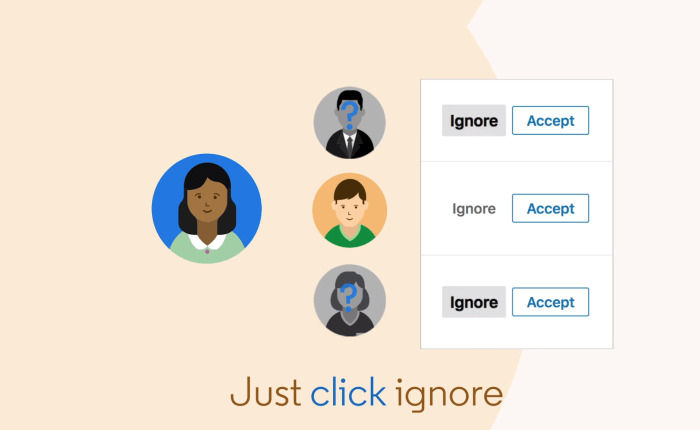
I made the above statement on LinkedIn once my invitation queue hit 40, and you could say it went a bit viral. That wasn’t surprising, but what was surprising was the reaction from some people who (based on their job titles) were either in tech or even in cybersecurity.

LinkedIn IS used for recon. It is used for phishing. It is used for creating sockpuppets and spreading fake networks. Accounts are taken over, ransomed, or otherwise used to further malicious intent. All of this is well-known and easily verifiable with a quick search.
Yet these professionals essentially all get stuck on “if your profile is public (even partly), then not accepting invites doesn’t increase your OPSEC.”
My brother in Christ, OPSEC is not a constant state, is it the end-all-be-all. If nothing else, I don’t want to be the guy who accepted the shady invitation from an account that was later used to contact and phish our CEO.
On top of everything, since I published that original post, we’ve learned that Topline has basically scraped all LinkedIn user data (or repackaged a lot of older scraped data) and is using it to sell their service. In October, LinkedIn also sued ProAPI for scraping legitimate data through more than a million fake accounts.
So once again, I’ll remind everyone: everything you do on LinkedIn publicly will get scraped. Everything you do on LinkedIn privately will get used to train their AI LLM.
LinkedIn is brainrot, and joke’s on me for having a profile. The only winning move is not to play.
 Joel Latto